
This page is a work in progress and is where I’ll be adding all the recommended products that I use or endorse. I’ll be adding to this list as time goes by. Some links may be affiliate but the price stays the same for you!
Tree Planting
2″x24″ auger that makes planting bare root trees a cinch! Simply drill the hole with a corded or cordless drill, drop the tree in, fill with water, then soil, tamp down and you’re done!
Grafting and Plant Propagation
This is my most used book for reference on all things plant propagation.
Temperature & Humidity
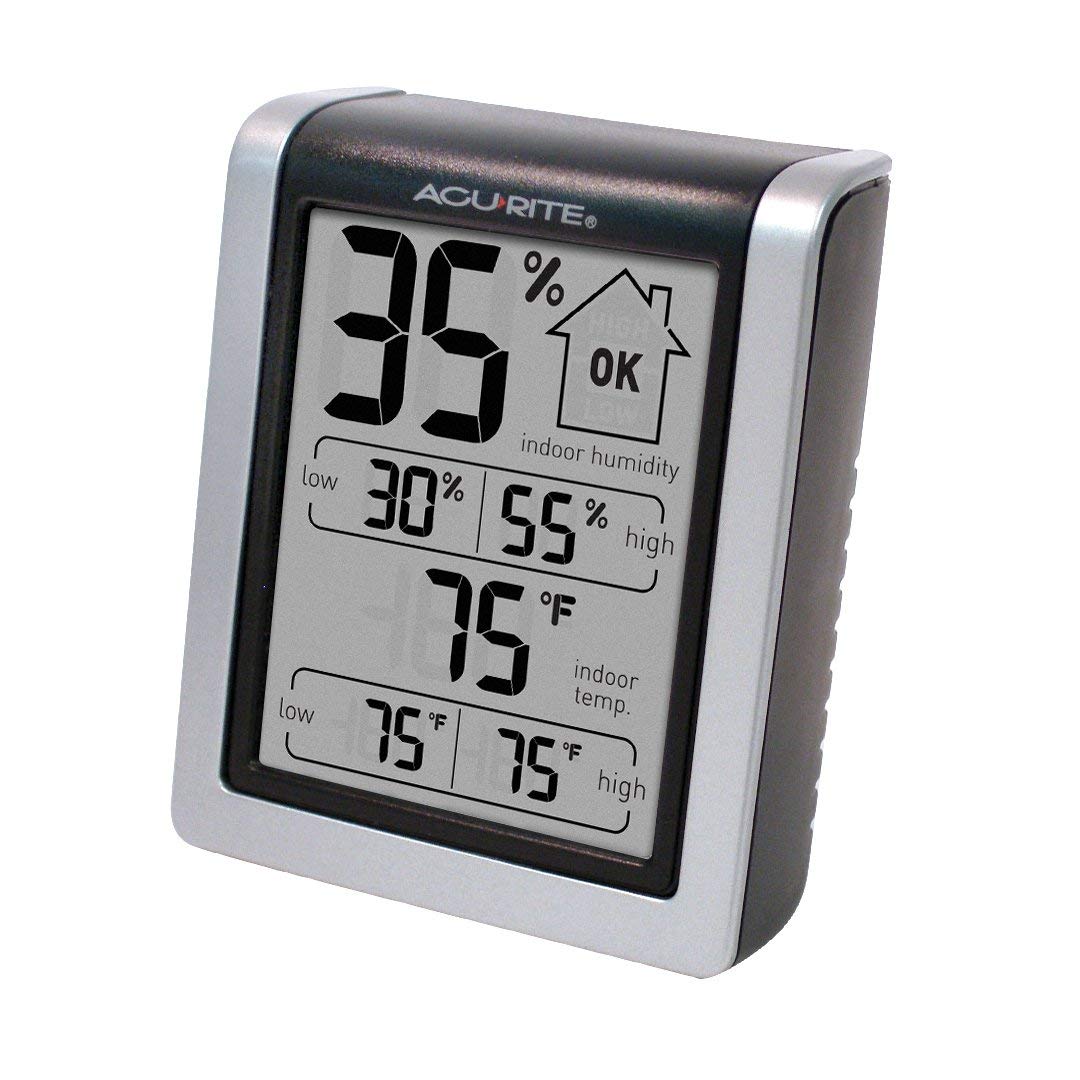
This is the Humidity and Temperature monitor I use It’s a digital thermometer and hygrometer that shows you the current temp and humidity as well as recorded daily highs and lows. I like to use it to dial in my perception of what is actually going on in a greenhouse or hot box by hitting the reset button every day so I can see what the highs and lows are every 12 hours or so. VERY useful for growing plants under glass or plastic or other things like curing sweet potatoes which need about 85F and 85% humidity for at least a week to convert starches to sugars and make those sweet potatoes sweet!
The Grafter’s Handbook – Grafting knowledge out the wazoo
——-
Grafting tape – I suggest Buddy Tape but it’s hard to get. If you want an easy button option, then use ParaFilm
Buddy Tape from a forum member here
Buddy Tape more expensive from this company here
Permanent Plant tags to identify those grafts for future reference
Seed Starting:
My Go-To Books for Sustainable Gardening and Homesteading
As a sustainable agriculture consultant and homesteader, I’ve spent years refining my approach to gardening, farming, and land management. Over time, I’ve come to rely on a core set of books that guide my work, whether I’m designing a permaculture system, troubleshooting a homestead, or teaching others how to grow their own food. These titles are my most commonly referenced resources, and I’m excited to share them with you. Below, I’ll highlight each book, starting with my top two favorites, and explain why they’re essential for anyone looking to deepen their knowledge of sustainable practices.
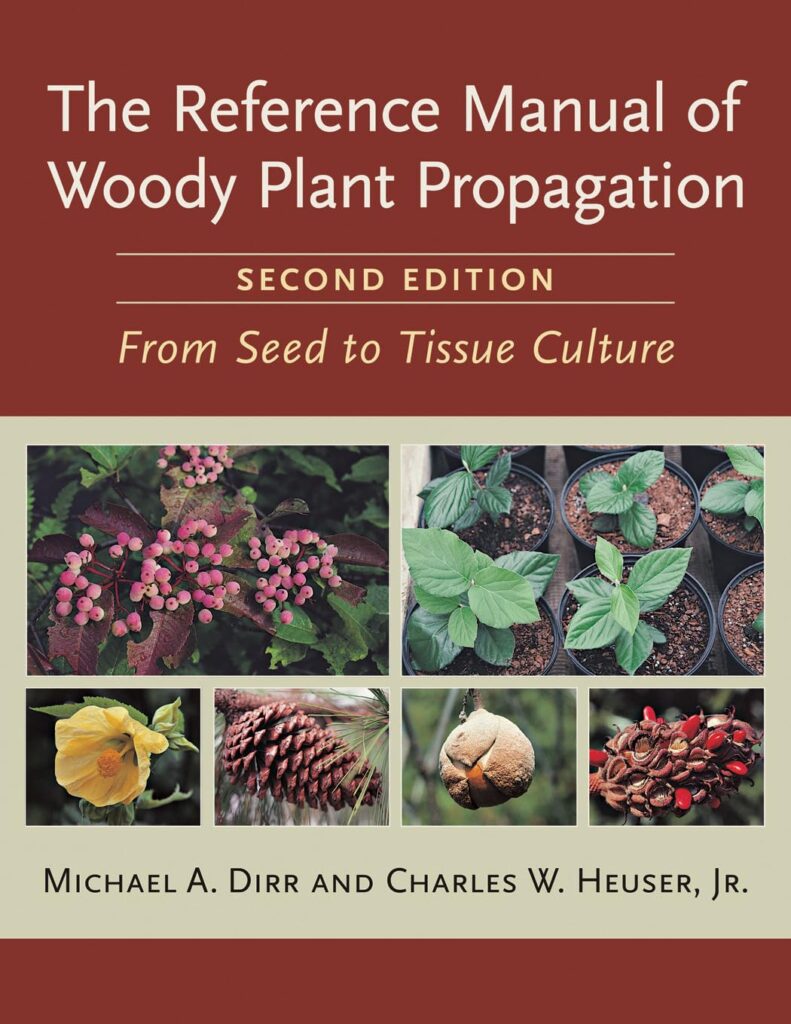
This book is my absolute go-to for anything related to propagating woody plants. Whether I’m working on my nursery or helping a client establish a resilient orchard, this manual has the detailed, practical advice I need. It covers everything from seed germination to grafting techniques, with a focus on hundreds of species. The second edition is packed with updated research, making it a reliable resource for both beginners and seasoned growers. I find myself flipping through its pages constantly—especially when I need to troubleshoot a tricky propagation or select the best method for a specific plant. If you’re serious about growing trees or shrubs, this book is a must-have.
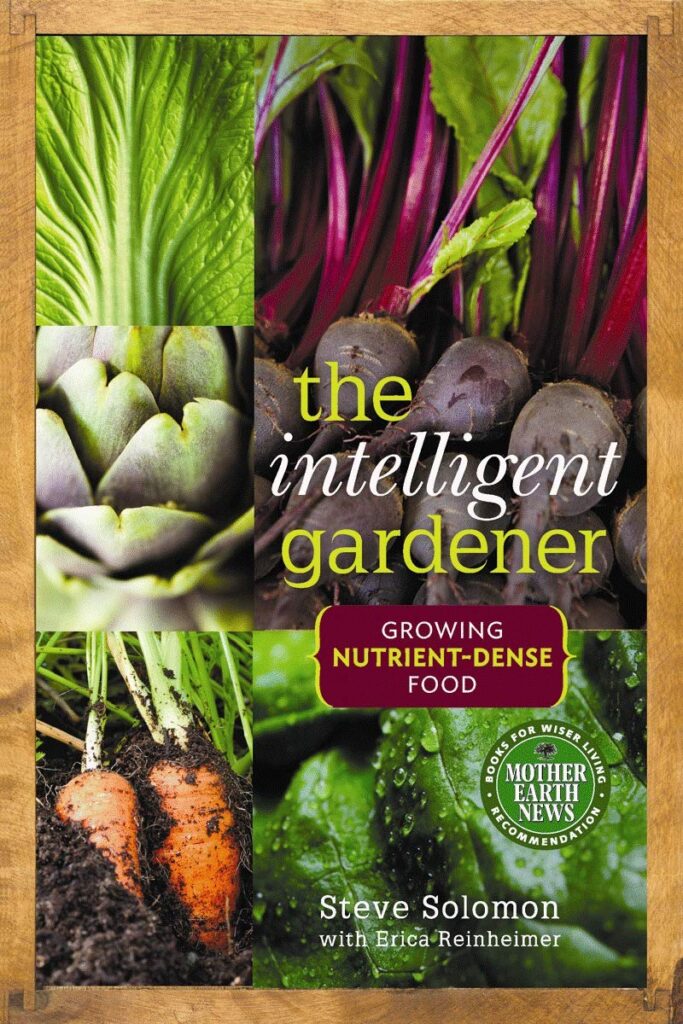
2. The Intelligent Gardener: Growing Nutrient-Dense Food by Steve Solomon with Erica Reinheimer
Next on my list is The Intelligent Gardener, a game-changer for understanding soil health and growing truly nourishing food. Steve Solomon breaks down the science of soil mineralization in a way that’s accessible and actionable. I love how this book emphasizes the connection between soil quality and the nutrient density of your crops—an essential principle for anyone aiming to grow food that’s as healthy as it is abundant. I refer to it often when advising clients on how to balance their soil for optimal yields, and its practical tips have helped me improve my own garden’s productivity. If you want to take your gardening to the next level, this book will show you how to make your soil work for you.
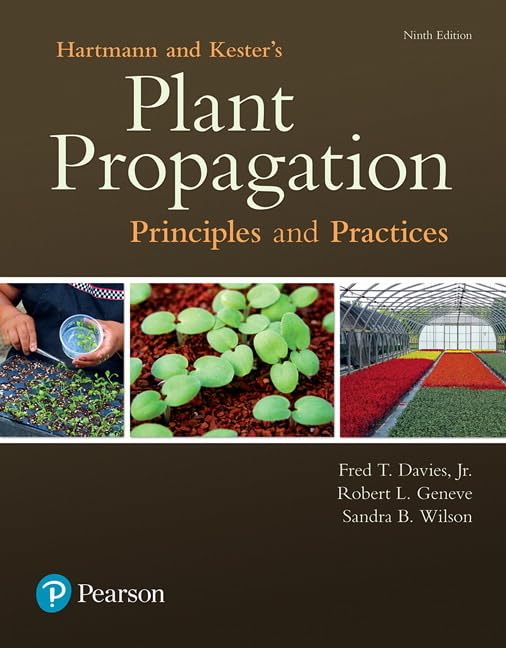
3. Plant Propagation: Principles and Practices by Hartmann, Kester, Davies, and Geneve
This fifth-edition classic is a comprehensive guide to plant propagation. It covers both woody and herbaceous plants, diving into the science behind propagation methods like cuttings, layering, and tissue culture. I often use this book as a companion to The Reference Manual of Woody Plant Propagation when I need a broader perspective or more technical details. It’s a great resource for understanding the “why” behind propagation techniques, which helps me adapt methods to different environments and species.
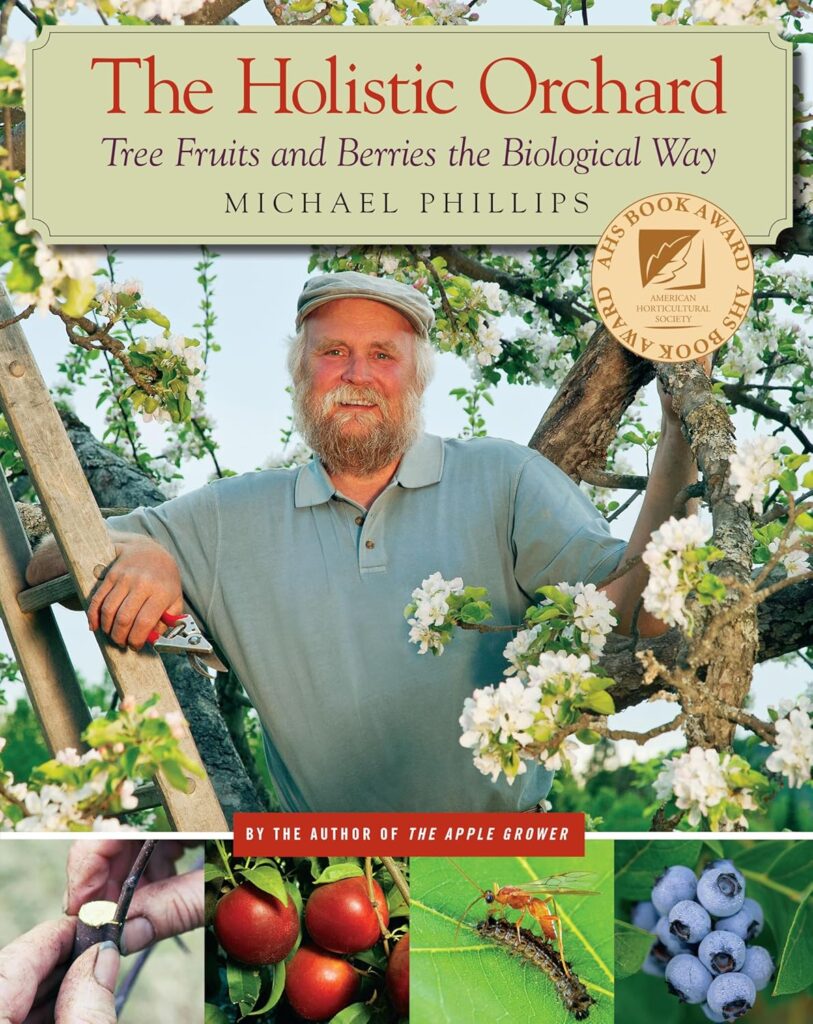
4. The Holistic Orchard by Michael Phillips
For anyone interested in growing fruit trees sustainably, The Holistic Orchard is a treasure. Michael Phillips shares his expertise on creating thriving orchards using organic methods, with a focus on building healthy ecosystems. I’ve used his advice to manage pests and diseases naturally on my own land, and I often recommend this book to clients who want to establish or improve their orchards. It’s practical, inspiring, and rooted in a deep respect for nature.
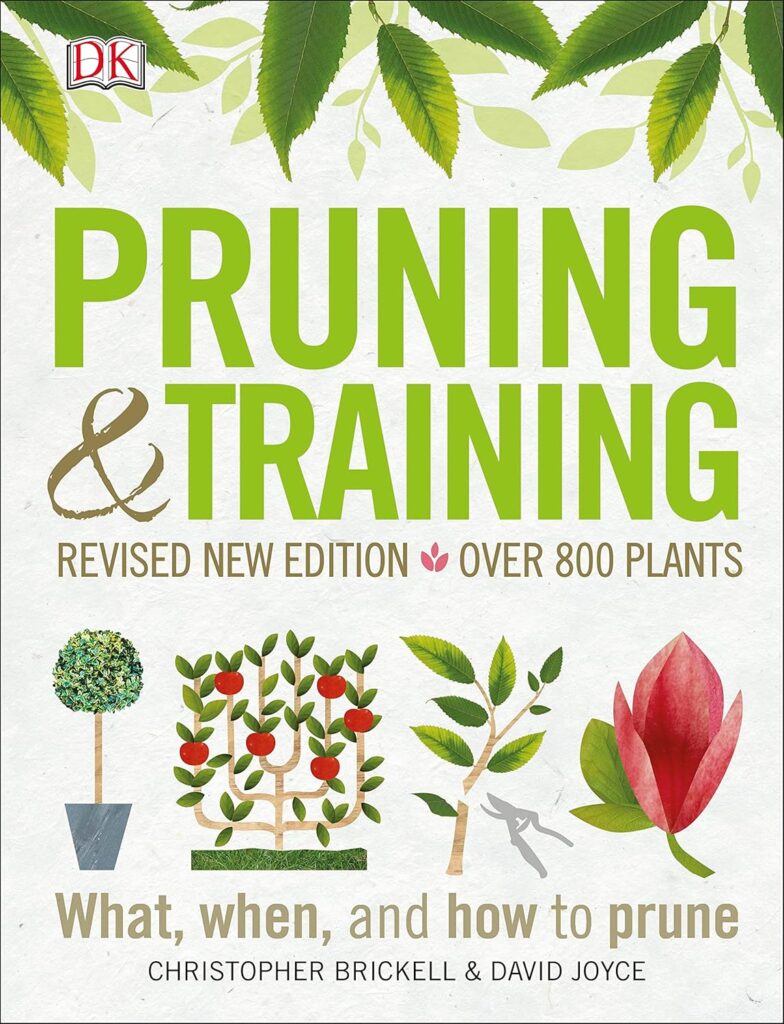
5. Pruning & Training by Christopher Brickell and David Joyce
Pruning can make or break a plant’s health and productivity, and this book is my go-to for mastering the art. It offers clear, step-by-step instructions for pruning and training a wide variety of plants, from fruit trees to ornamental shrubs. The illustrations are especially helpful for visualizing techniques, and I’ve found its guidance invaluable when shaping plants for both aesthetics and yield. If you’re looking to improve your pruning skills, this book is an excellent starting point.
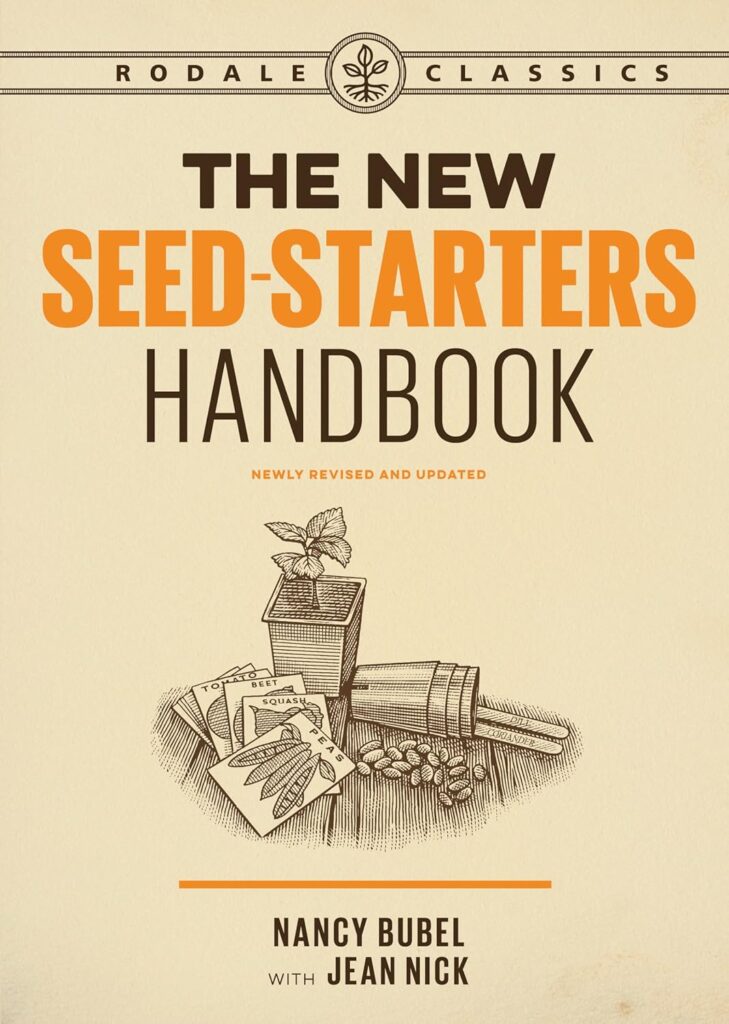
6. The New Seed-Starters Handbook by Nancy Bubel
Starting seeds is a foundational skill for any gardener, and The New Seed-Starters Handbook is a fantastic resource for getting it right. Nancy Bubel covers everything from seed selection to germination conditions, with tips for troubleshooting common issues. I often recommend this book to beginners because of its straightforward approach, but I still find myself referencing it when starting new varieties or experimenting with unusual seeds.
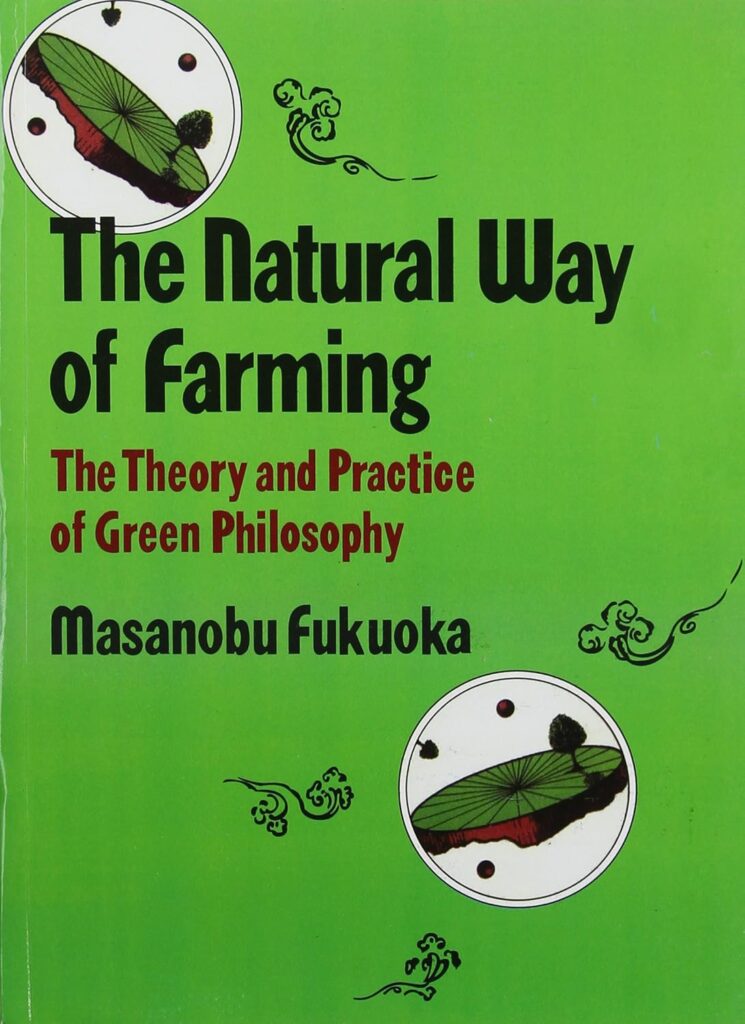
7. Organic Farming: The Natural Way of Farming by Masanobu Fukuoka
Masanobu Fukuoka’s The Natural Way of Farming is a foundational text for anyone interested in natural farming methods. His philosophy of “do-nothing” farming—working with nature rather than against it—has deeply influenced my approach to sustainable agriculture. I often turn to this book for inspiration when designing low-maintenance, high-yield systems like silvopasture or fodder tree setups. It’s a thought-provoking read that challenges conventional farming practices.
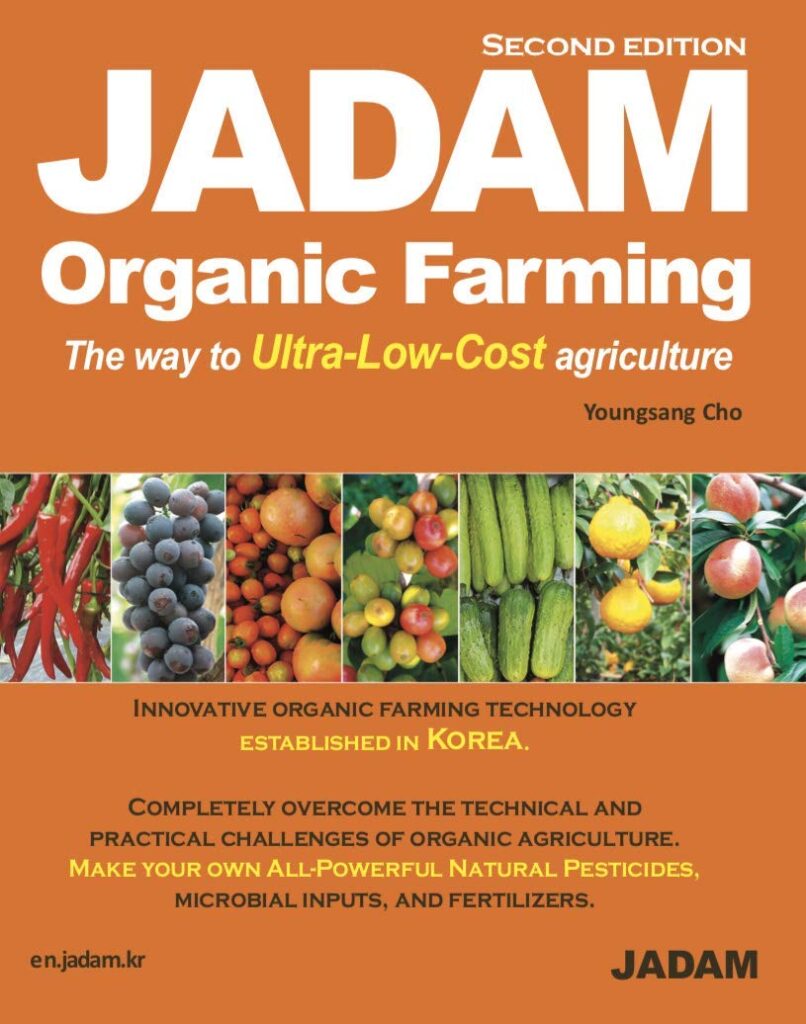
8. JADAM Organic Farming by Youngsang Cho
JADAM Organic Farming is a practical guide to low-cost, organic farming techniques. Youngsang Cho introduces methods like making your own natural pesticides and fertilizers, which I’ve found incredibly useful for keeping my nursery and farm operations affordable. The JADAM approach aligns well with my goal of teaching practical, accessible solutions, and I often share its techniques with clients who are looking to farm sustainably on a budget.
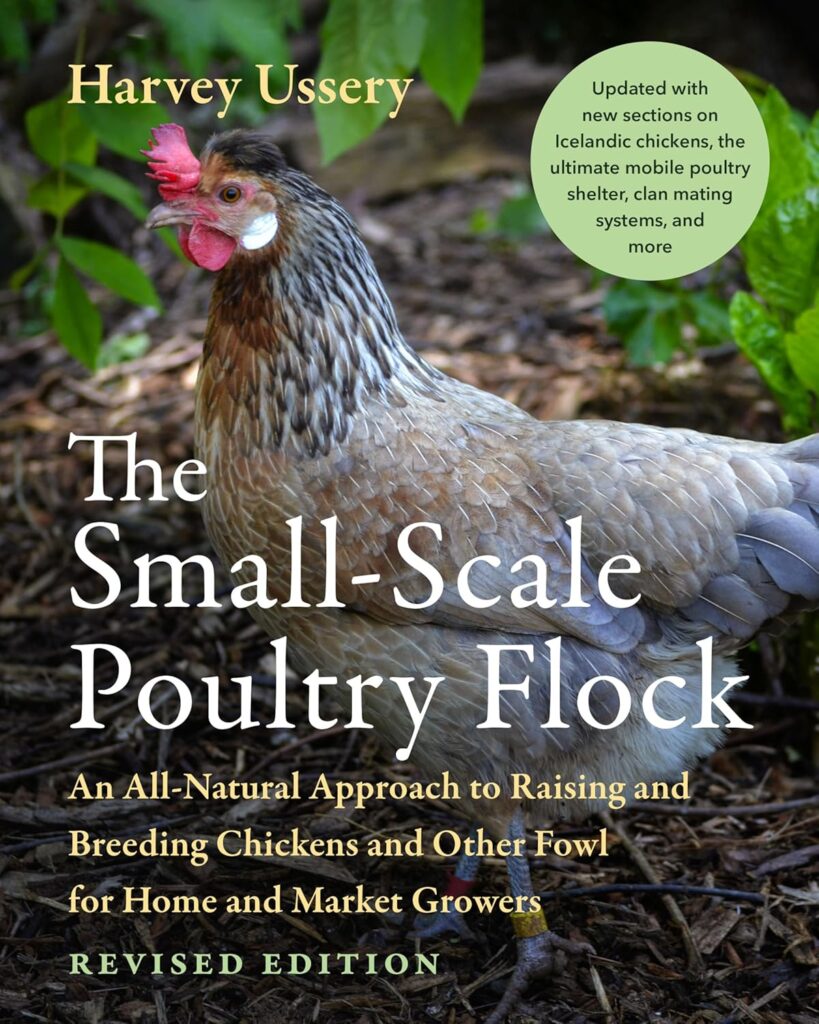
9. The Small-Scale Poultry Flock by Harvey Ussery
For homesteaders raising chickens, The Small-Scale Poultry Flock by Harvey Ussery is a must-read. It covers everything from breed selection to coop design, with a focus on natural, sustainable poultry management. I’ve used its advice to optimize my own flock of chickens, rabbits, and quail, ensuring they thrive as part of a multi-generational ranch system. If you’re raising poultry or planning to start, this book offers a wealth of practical knowledge.
Pruning and Training plants and trees:
The American Horticultural Society Pruning and Training
Orchards and Fruit Tree Care:
The Holistic Orchard by Michael Phillips
Some links will be affiliate. I receive a small commission on each sale that does not affect your purchase price. Purchasing through the links above will help me out a little bit financially.
Fencing
Energizers
Cyclops Stallion – 2.5 Joule Fence Charger – AC – This is the smallest fence charger/energizer I suggest.
Cyclops Champ – 5 Joule Fence Charger – AC – This is a good smaller fence energizer, suitable for most all livestock and predators up to large canines.
Cyclops Brute – 8 Joule Fence Charger – AC – This is the fence energizer I am using on a 2 acre paddock to train and keep goats, sheep, and livestock guardian dogs contained.
Cyclops Super – 12 Joule Fence Charger – AC – And this is the one I would buy next time I purchase as long as it’s in the budget.
Speedrite 3000 Unigizer, 3.0 Joule – This is the type of energizer I ran for years, purchased in September of 2015. Served me very well and did an excellent job at keeping goats and dogs contained.
Speedrite 6000 Remote Unigizer, 6.0 Joule – This is what I would have purchased next if I hadn’t wanted to try the Cyclops brand which is made in the USA. I might still purchase this model in the future to try
Wire & Insulators
Aluminum Wire – I like using aluminum because of it’s ease of use, easy to cut and bend, manipulate and also high visibility. When aluminum “rusts”, it makes aluminum oxide which is white, so instead of becoming harder to see, it becomes more visible. Visible fence means animals have a greater chance to avoid touching it, which makes your fence better. Try to use thicker gauge wire. I always try to avoid wire smaller than 14 gauge. 17 is small diameter, 12 is large diameter. 14 is a nice happy medium size.
Polywire – This is a nice material to use for temporary paddocks. I’ve used this polywire with goats well trained to the fence with only 2 strands for 2 day or afternoon temporary grazing of brushy areas that needed management. I’ve even used this for 5+ years as a component of a perimeter fence. I like that the aluminum conductors connect well with the main aluminum wire. When connecting steel and aluminum, you will sometimes have problems. Try and keep all fencing materials the same type of metal. This is good sturdy wire, may not be the best but has held up very well in my trials.
5 Inch Extender Insulators – I have used this brand for years and while not the best out there, seem to have enough life to make it useful. I often use the extended insulators to offset my perimeter fence both at animal shoulder height and at the top. This prevents animals from rubbing on the fence and climbing it.